Calgary is one of Canada's most weather-extreme cities. We experience temperature swings of 70°C between summer highs and winter lows, intense UV radiation from our high-altitude sun, Chinook winds that can gust to 100+ km/h, and freeze-thaw cycles that test every structure. Choosing the wrong fence material — or having it installed incorrectly — means you will be replacing it far sooner than you should. Here is what our 20+ years of installing fences in Calgary has taught us.
The #1 Threat to Calgary Fences: Frost Heave
Before we even get to materials, let's talk about the most common cause of fence failure in Calgary: frost heave. When post holes are not dug below the frost line — which in Calgary is approximately 4 to 4.5 feet — the soil freezes around the posts each winter and literally pushes them upward. By spring, your posts are sitting proud of the ground, your fence panels are warped, and the structural integrity is compromised.
Always confirm with your fencing contractor that posts will be set at a minimum of 4 feet depth in Calgary. A Class Fencing sets all posts at frost-line depth as standard practice — it is non-negotiable for a fence that lasts.
Material-by-Material Breakdown for Calgary Weather
Western Red Cedar — Best Natural Wood for Alberta
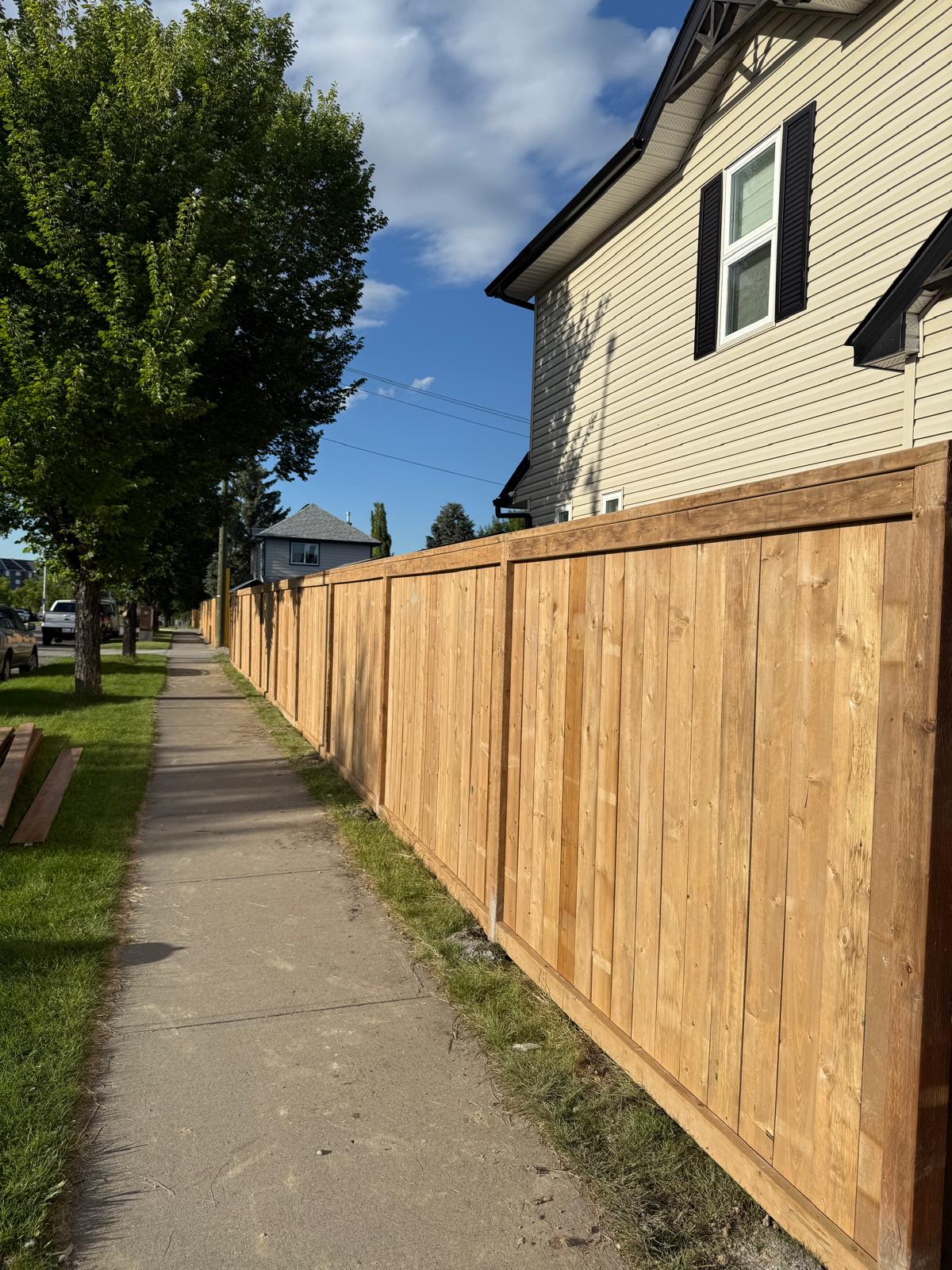
If you want a wood fence in Calgary, cedar is the only choice worth considering. Its natural oils create a biological resistance to moisture, insects, and decay that pine and spruce simply cannot match. Cedar handles freeze-thaw cycles better than most wood species because it expands and contracts less dramatically with temperature changes.
- Excellent natural moisture resistance
- Good UV resistance compared to other woods
- Handles Alberta temperature swings well
- Must be sealed every 2–4 years for maximum longevity
- Expected lifespan: 15–25 years with proper maintenance
Vinyl (PVC) — Best for Low Maintenance in Calgary
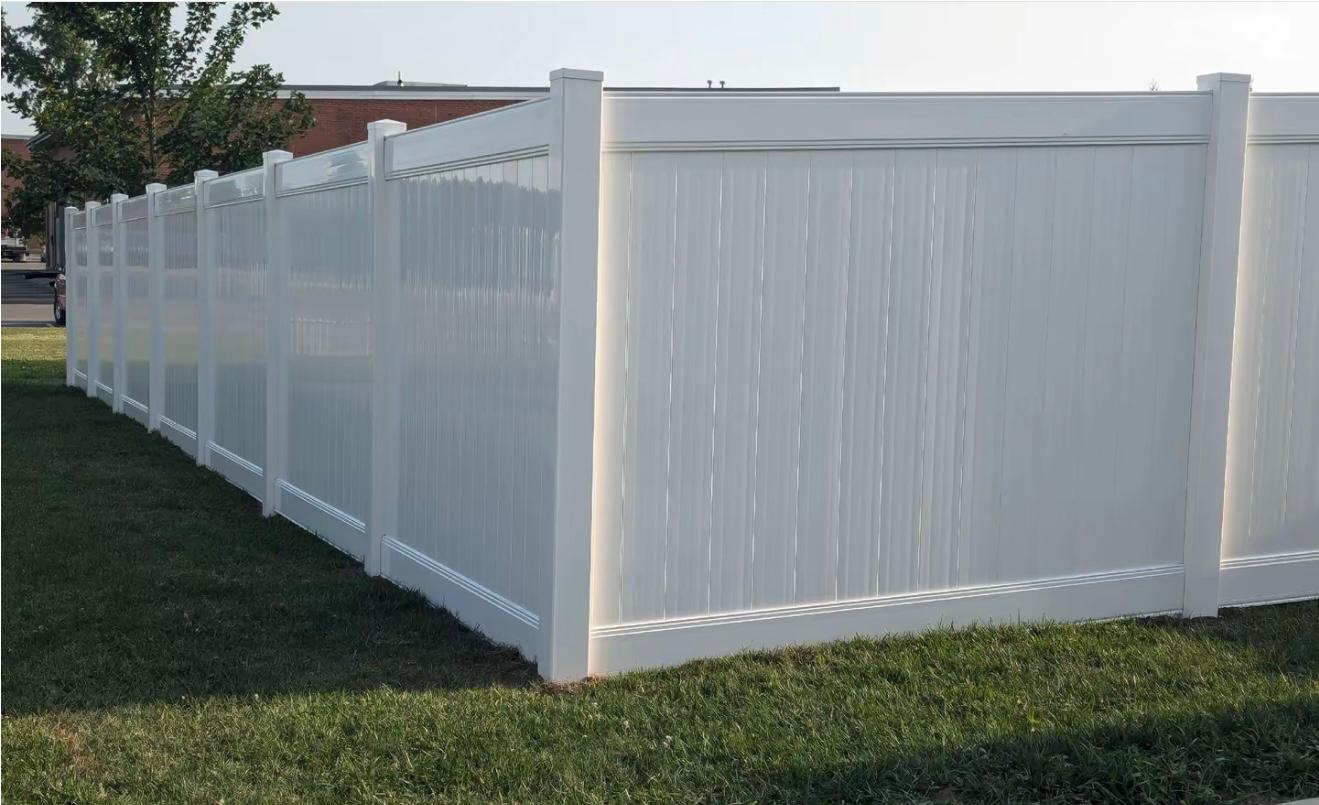
High-quality vinyl fencing performs exceptionally well in Calgary's climate. It does not absorb moisture, so freeze-thaw cycles do not cause the rot and warping that plague neglected wood fences. Modern UV-stabilized vinyl formulations resist the intense Alberta sun effectively. The one caveat: budget vinyl becomes brittle in extreme cold (below -30°C), so it is worth investing in a premium product with cold-weather impact resistance ratings.
- Zero moisture absorption — immune to rot
- UV-stabilized colouring does not fade significantly
- Quality vinyl handles Chinook freeze-thaw well
- Budget vinyl can crack at extreme low temperatures
- Expected lifespan: 20–40+ years
Galvanized Chain Link — Best for Wind & Harsh Conditions
Chain link is arguably the most weather-resistant fence type in Calgary's extreme conditions. The galvanized steel wire is unaffected by freeze-thaw, highly resistant to wind load (Chinooks pass through the mesh rather than pushing against a solid panel), and requires virtually no maintenance for 20–30 years.
For properties in exposed Calgary locations — particularly on the west side where Chinooks hit hardest — chain link offers structural advantages that solid panel fences cannot match. The mesh design provides zero wind resistance, which is why you will see chain link around schools, parks, and commercial properties throughout the city.
Pressure-Treated Pine — Budget Wood for Alberta
Pressure-treated pine is a lower-cost alternative to cedar that uses chemical preservatives to resist rot and insects. It is commonly used for fence posts (even on cedar panel fences) because of its resistance to ground contact moisture. However, pressure-treated pine is more prone to warping and checking as it dries, and the green tint of fresh PT lumber needs time to weather to a more natural appearance.
Chinook Winds: Designing for Wind Load
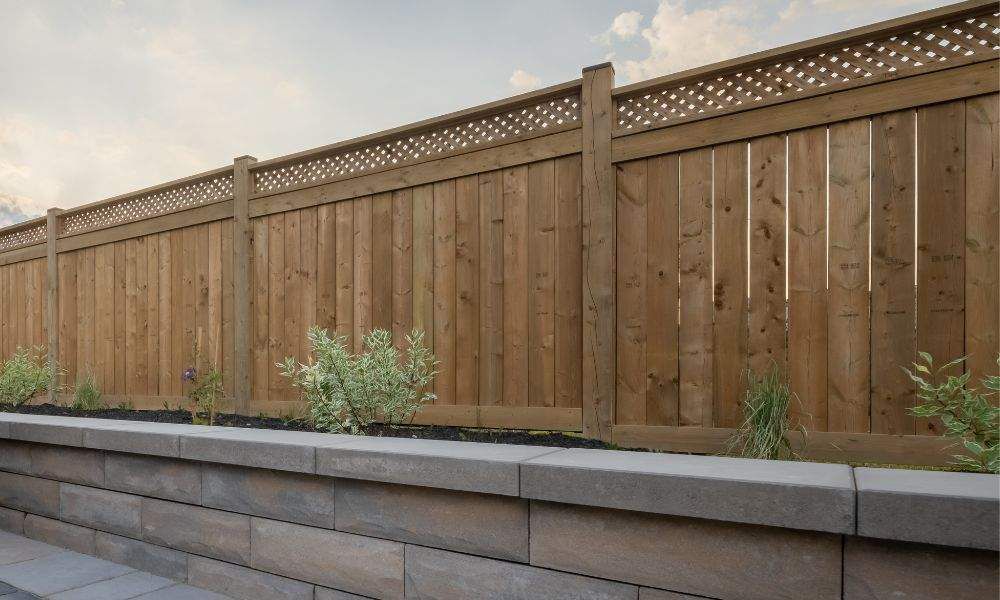
Calgary's famous Chinook winds — which can arrive suddenly and gust to 100+ km/h — are a significant structural consideration for solid panel fences. When wind cannot pass through your fence, all of that force is transferred to the posts. Properly spaced, deep-set posts are essential. For exposed properties, we also recommend using concrete in every post hole (not just every other post) and considering a shadowbox or board-on-board design that allows some airflow while still providing privacy.
Summer UV: Calgary's Hidden Fence Threat
At 1,048 metres above sea level, Calgary receives more intense UV radiation than most Canadian cities — a fact that wood fence owners often underestimate. UV breakdown causes the lignin in wood to grey and the surface to check (develop small cracks). This is not just cosmetic — cracked surface wood absorbs more moisture, accelerating rot. Regular staining with a UV-protective sealant is the single most effective maintenance step for a wood fence in Calgary.
Pro Tip
Pro Tip: Apply a quality stain/sealant combination in early summer (May or June) after the last freeze cycle, giving it the full warm season to cure and protect the wood before the following winter.
Our Recommendation for Calgary Homeowners
For the best balance of looks, longevity, and value in Calgary's climate: invest in a cedar fence with quality pressure-treated posts, set at 4+ feet depth in concrete, with annual inspections and resealing every 3 years. If you want truly zero maintenance, upgrade to vinyl — but insist on a premium product rated for cold-weather impact resistance. Either way, the installation quality matters as much as the material. A Class Fencing has been building fences that survive Alberta winters since 2005 — call us for a free estimate.