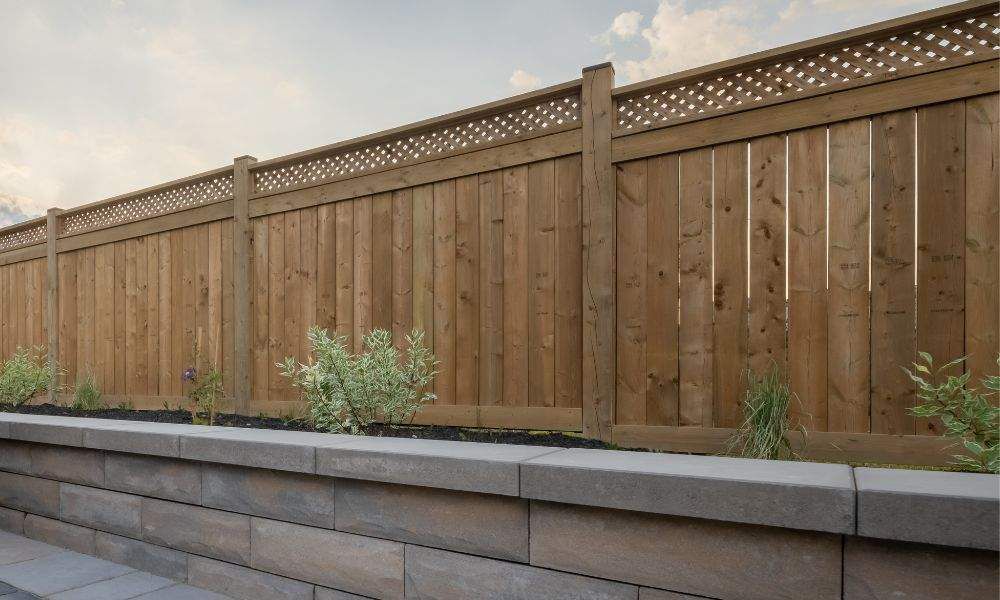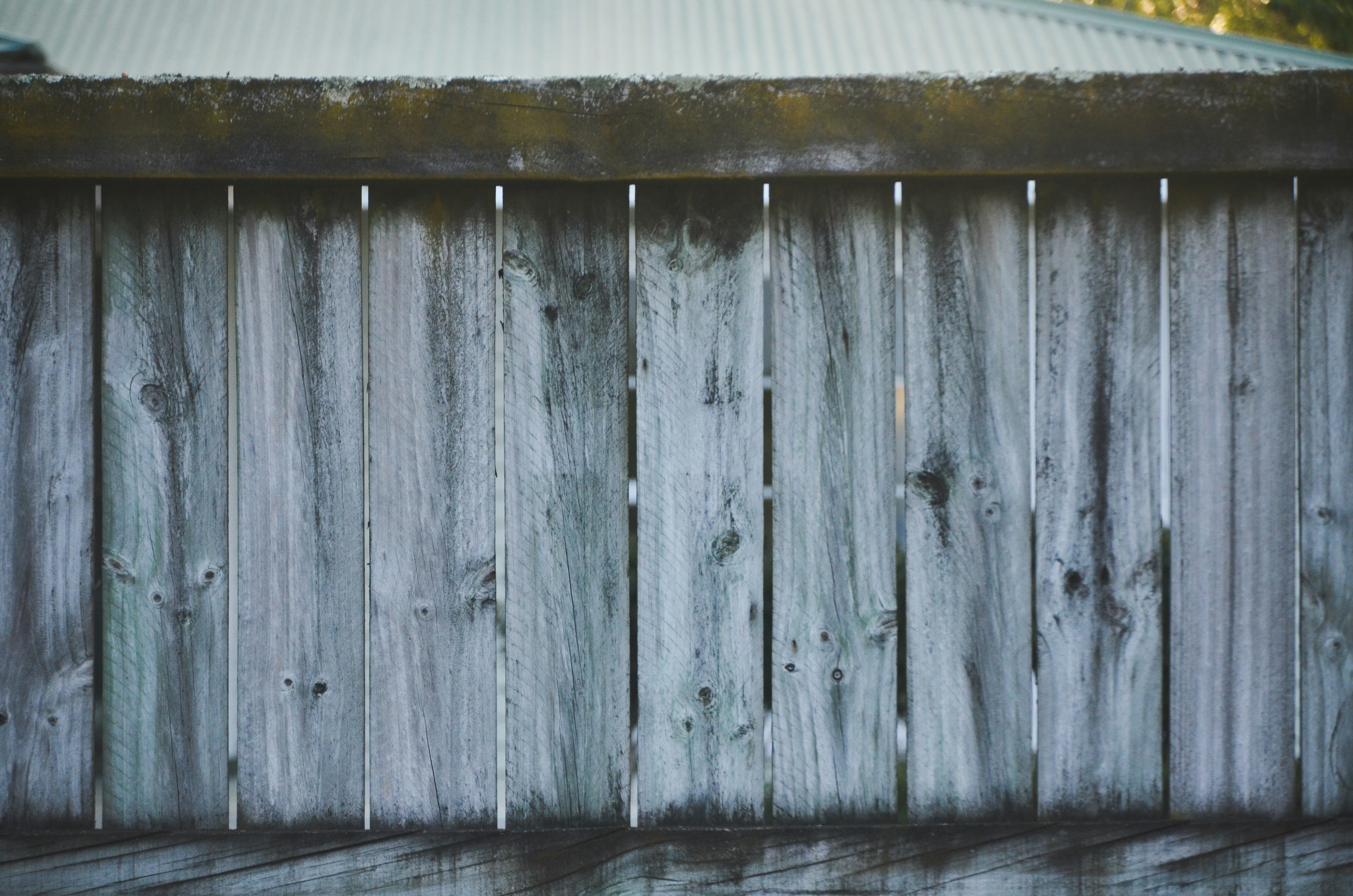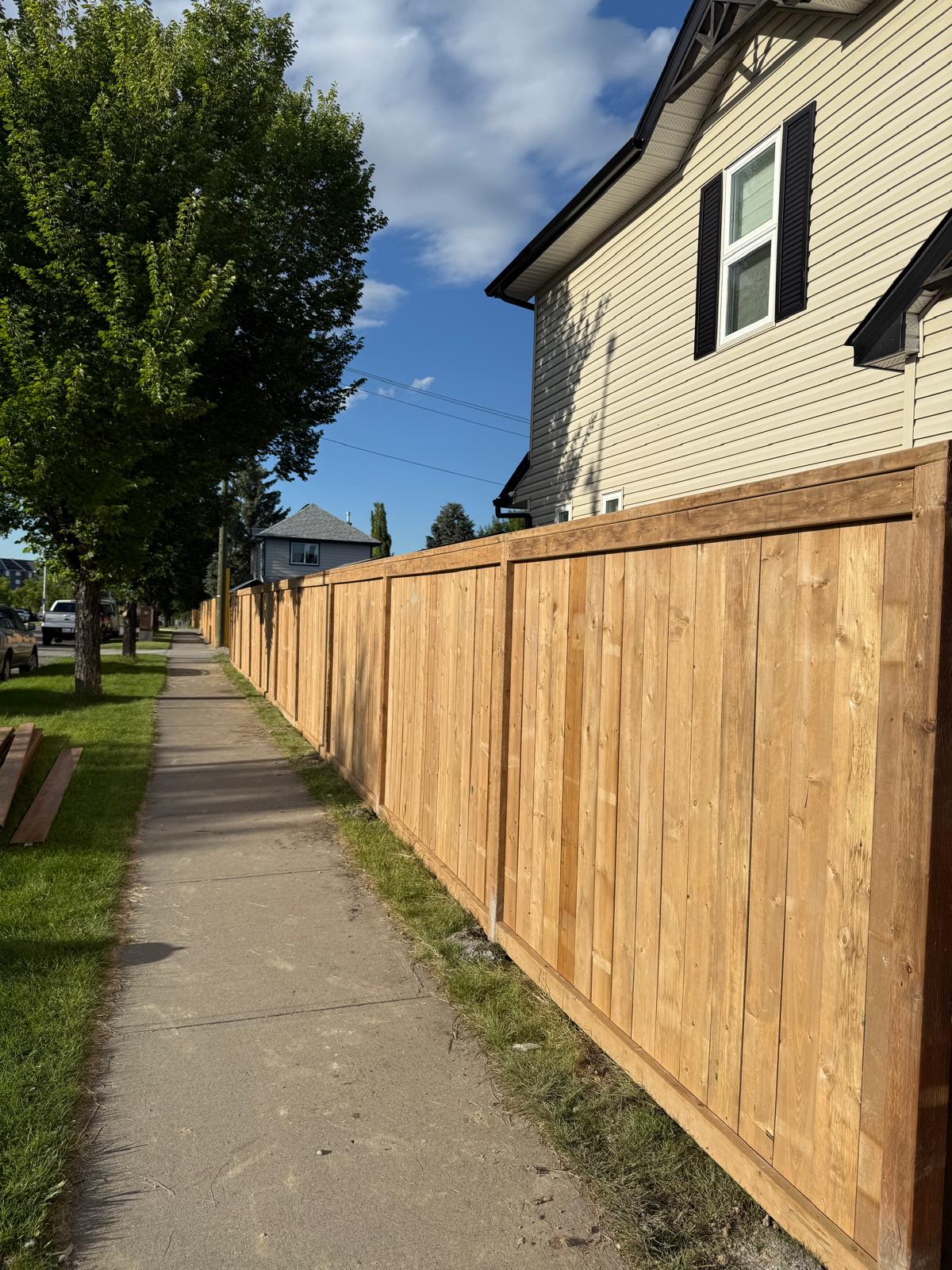
A well-maintained wood fence is a beautiful feature that adds privacy, security, and value to your Calgary home. But wood is a natural material that responds to every change in Calgary's extreme climate — expanding in summer heat, contracting in winter cold, absorbing moisture during spring thaw, and fading under intense Alberta UV. With the right maintenance routine, your fence can last 20–25 years. Without it, you may be looking at replacement in as little as 8–10 years. Here is your complete year-round care guide.
Spring Maintenance (April – May)
Spring is the most important season for wood fence inspection in Calgary. After months of freeze-thaw cycles, your fence has been under serious stress. Before doing anything else, walk the entire fence line and check for these issues:
- Frost heave: Are any posts sitting higher than they were last fall? This indicates the post was not set deep enough
- Leaning sections: Posts shifted by soil movement need to be reset immediately
- Cracked or split boards: Check especially at the end grain where moisture enters most easily
- Loose nails or fasteners: Freeze-thaw cycles cause fasteners to work loose over time
- Rot at post bases: Push a screwdriver into the wood at ground level — if it sinks more than 1/4 inch, rot has begun
- Gate alignment: Gates often drift out of square over winter; hinges and latches may need adjustment
Spring Cleaning
Once your inspection is complete and any repairs made, clean the fence before applying any stain or sealant. Use a pressure washer on a low setting (1,200–1,500 PSI) or a brush with a wood fence cleaner. This removes mould, mildew, algae, dirt, and any loose surface wood fibres — all of which prevent stain from penetrating properly.
Pro Tip
Let the fence dry completely after washing — at least 48–72 hours in Calgary's dry climate — before applying any stain or sealant. Applying stain to damp wood is one of the most common mistakes homeowners make.
When to Stain & Seal Your Wood Fence in Calgary
New cedar fences should be allowed to weather for 4–6 weeks before their first sealing application, giving the wood time to dry fully from the moisture introduced during milling. After that, a quality stain/sealant should be reapplied every 2–4 years, depending on your fence's sun exposure and how much rainfall your yard receives.
The best time to stain a fence in Calgary is late May through July — warm temperatures (above 10°C), low humidity, and no rain in the forecast for 24–48 hours. Avoid staining in direct, hot afternoon sun as the product dries too quickly and does not penetrate the wood properly.
Choosing the Right Stain for Alberta
- Semi-transparent stains: Show wood grain while adding UV protection — excellent first choice for new cedar
- Solid stains: Fully opaque, maximum UV and moisture protection — best for older weathered wood
- Clear penetrating sealers: Minimal colour change, good moisture protection, need more frequent reapplication
- Oil-based vs water-based: Oil-based penetrates deeper but takes longer to dry; water-based cleans up easier and performs comparably on newer products
Summer Maintenance (June – August)
Summer is staining season, but there are a few other tasks to stay on top of during the warm months:
- Trim vegetation: Keep plants, vines, and grass from growing against the fence — trapped moisture accelerates rot dramatically
- Adjust sprinklers: Irrigation systems that spray directly on wood fence panels are one of the leading causes of premature rot in Calgary
- Check gate hardware: Lubricate hinges and latches with a silicone-based lubricant — avoid WD-40, which attracts dirt
- Look for insect activity: Carpenter ants and wood-boring beetles can be an issue in Calgary — look for fine sawdust at the base of posts or panels
Fall Maintenance (September – October)
Fall preparation is critical in Calgary, where temperatures can drop sharply and stay below freezing from November through March. Use this checklist before the first hard frost:
- Clear leaves and debris from fence base — decomposing organic matter traps moisture against the wood
- Disconnect and drain any irrigation that could splash on fence panels
- Do a final fastener check — tighten any loose screws or nails before freeze-thaw cycles begin
- Apply a fresh coat of sealant if your fence did not receive one in spring/summer
- Photograph your fence to document its condition — useful for insurance purposes if a Chinook or storm causes damage
Winter Considerations (November – March)
There is not much active maintenance you can do in a Calgary winter, but there are a few things to be aware of:
- Snow removal: Do not lean a snow blower discharge directly against fence panels — the force and moisture can damage boards
- Ice buildup: Avoid chipping ice off fence boards — you will damage the wood surface; let it melt naturally
- Storm inspection: After Chinook wind events, walk the fence line for any panels that have blown loose or posts that are now leaning
The average Calgary wood fence that receives proper annual maintenance lasts 20+ years. One that receives no maintenance typically needs major repairs or full replacement within 8–12 years. The math strongly favours a consistent maintenance routine.
When Maintenance Is No Longer Enough
Even with great maintenance, wood fences eventually reach the end of their service life. Signs that you are approaching replacement rather than repair include: more than 30% of boards showing rot or severe checking, multiple posts that have rotted at the base, significant leaning or structural instability that cannot be corrected by resetting posts, or a fence that has become an eyesore despite your best maintenance efforts.
A Class Fencing offers professional fence inspection, maintenance, repair, and replacement services across Calgary and surrounding communities. If you are unsure whether to repair or replace your fence, our team can walk the property with you and give you an honest assessment — no sales pressure, just expert advice. Call us at +1 (403) 971-4882.